Wheat FDK Detection: Fusarium-Damaged Kernel Analysis
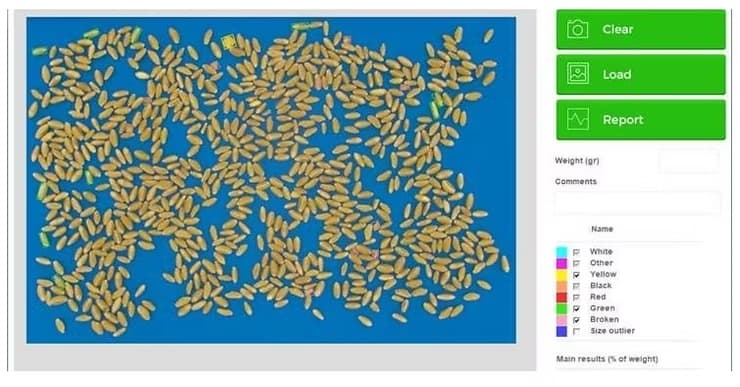
Automated Fusarium-damaged kernel (FDK) screening using imaging-based morphology and color analysis to quantify FDK prevalence as a quality-control indicator.
Problem
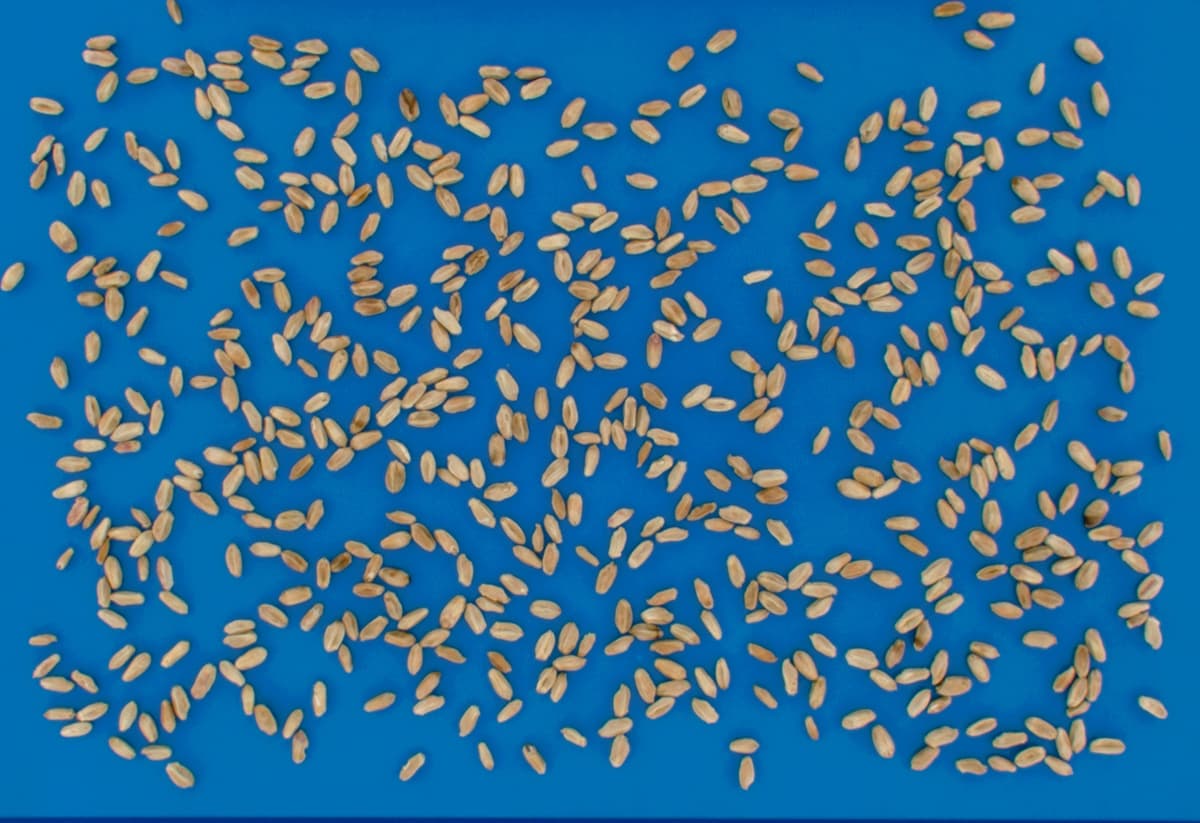
Fusarium-damaged kernels (FDK) may be associated with an increased risk of deoxynivalenol (DON) contamination, but manual visual detection is slow, subjective, and difficult to standardize at commercial scale. Visual FDK assessment does not determine DON concentration; DON requires an appropriate laboratory analytical method.
Vibe solution
Imaging classification to identify FDK kernels by color and morphology indicators, quantify damage prevalence, and produce structured outputs for quality-control screening and sample comparisons.
Measured outcomes
More consistent, image-based FDK screening using visible kernel characteristics associated with Fusarium damage, with quantified damage rates per sample and structured QC records. FDK imaging is a visual screening and quality-control tool. It does not directly measure DON. Samples requiring DON determination must be tested using an appropriate analytical method.
This workflow is part of Vibe's Wheat analysis & imaging workflows Visit the crop page for the full set of measurements, traits, varieties, and related analysis methods.